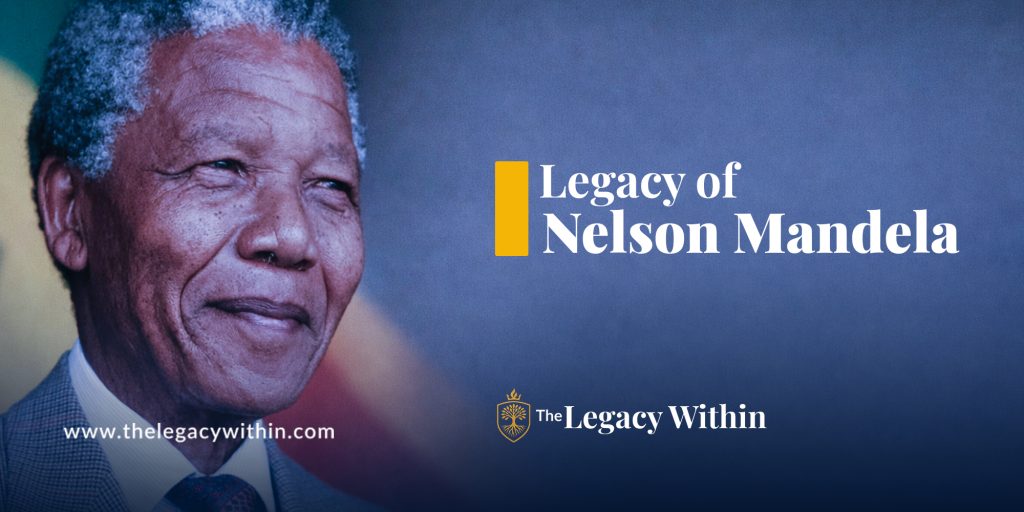
Legacy is not inherited, it is authored in silence, struggle, and choice.
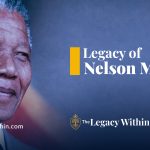
Nelson Mandela’s legacy is one of profound transformation, built not on comfort or flawlessness but on perseverance, principle, and the power of reconciliation. His life was a testament to how defeat can become the foundation of enduring impact.
The Day Legacy Broke Its Silence
The gates of Robben Island groaned open like the throat of history clearing itself. The air was thick, not just with the salt of the sea, but with the stench of gunpowder, the residue of decades of resistance. It clung to the breeze like both a warning and a promise.
Women stood in clusters, ululating with voices that pierced the sky. Their songs were not merely celebrations, they were ancestral echoes, calling the bones of forgotten warriors to witness this moment. Zulu and Xhosa men beat their chests and chanted war songs, their feet stamping rhythms that had once shaken the earth beneath Shaka’s armies. The soil remembered.
And then he stepped out.
Nelson Rolihlahla Mandela. Not the prisoner. Not the terrorist. Not the saint. Just the man. Tall, deliberate, wrapped in the quiet dignity of someone who had wrestled with time and emerged unbroken.
The world held its breath.
For twenty-seven years, silence had been his language. In that silence, the world had written its own legacy for him, freedom fighter, rebel, martyr, myth. It had sculpted statues in its minds, carved headlines into stone, and whispered stories into classrooms. But now, the author had returned.
He paused, not for effect, but for reverence. As if greeting the ghosts of comrades who never made it out. As if asking the land itself for permission to speak.
Then, with a voice that sounded like gravel and grace, he said:
“I am not what you made of me. I am what I chose to become.”
The crowd erupted. Not just in cheers, but in tears. Because in that moment, Mandela did not merely walk free, he rewrote the legacy the world had tried to assign him. He was no longer the man history had imagined. He was the man who would imagine history anew
Through his writings and speeches, Mandela reclaimed the pen and with it, the power to reshape his legacy.
The Legacy Mandela Chose to Write
1. A Legacy of Reconciliation Over Revenge
After 27 years in prison, Mandela emerged not with bitterness, but with a vision for unity. As South Africa’s first Black president, he dismantled apartheid not through retaliation, but through forgiveness. His leadership during the transition to democracy was marked by his refusal to seek vengeance, choosing instead to build bridges between former enemies.
“I am not a saint, unless you think of a saint as a sinner who keeps on trying.” – Nelson Mandela
2. A Legacy of Human-Centred Leadership
Mandela’s values were rooted in dignity, justice, and equality. He fought against both white and Black domination, famously declaring during the Rivonia Trial:
“I have cherished the ideal of a democratic and free society in which all persons live together in harmony and with equal opportunities.”
3. A Legacy of Service and Humility
Unlike many leaders who cling to power, Mandela served only one term as president. His decision to step down reinforced his belief that leadership is not ownership, it is stewardship.
4. A Legacy of Global Solidarity
Mandela stood for liberation movements across the globe from Palestine to Kashmir and advocated for education, youth empowerment, and poverty alleviation. His moral clarity made him a global symbol of justice.
5. A Legacy of Symbolic Healing
One of his most iconic gestures was joining Springbok captain Francois Pienaar to lift the Rugby World Cup trophy in 1995. It was more than sport, it was a symbol of racial reconciliation in a deeply divided nation.
Mandela did not merely leave behind policies. He left behind a blueprint for how to lead with courage, humility, and heart. His legacy reminds us that the most powerful impact is often born from the deepest struggle.
Mandela’s legacy was first written about him. Then he chose to write through himself. That arc, from projected myth to reclaimed truth, is the very essence of transformational leadership.
A Call to Authorship
If this message stirred something in you, do not let others script your story. Take up the pen yourself.
Our Awaken → Master → Ascent (AMA) framework will guide you from slumber into deliberate legacy-crafting. The Legacy Within is our movement, a movement of men reclaiming their stories, activating their purpose, and building legacies that transform generations.
Just as Mandela reclaimed the narrative others had written for him, we too stand at the threshold of authorship, invited to pen books, craft articles, and engage in the sacred work of exploring concepts and unravelling inherited theories. Legacy is not merely lived, it is consciously written.
Because legacy is not what you leave behind, it is what you choose to embody now.”
🔗 Explore The Legacywithin AMA Framework
🎯 Book Your Coaching Journey
“Legacy isn’t what you leave behind, it is what you embody now.”– Coach T, The Legacy Decoder